Meadow in My Garden
Poppies for Palestine
Poppies for Palestine
Couldn't load pickup availability
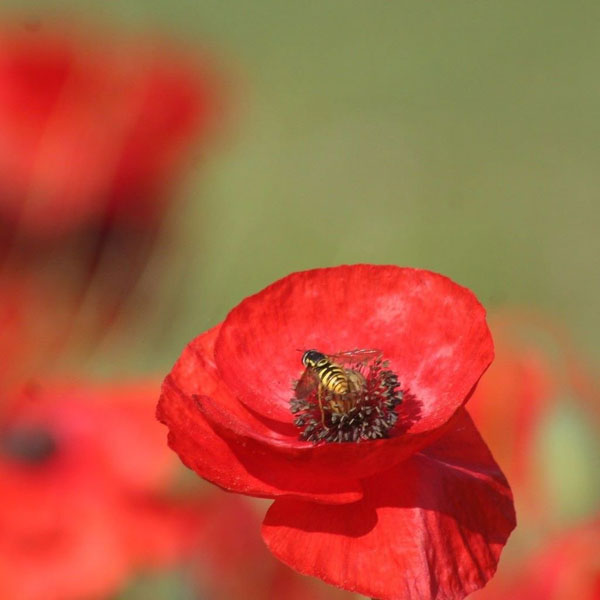
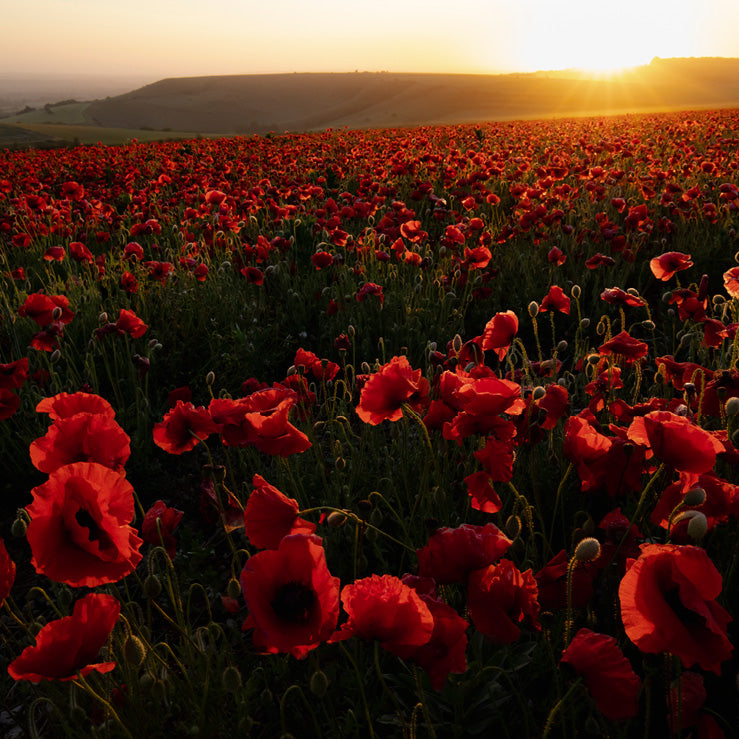
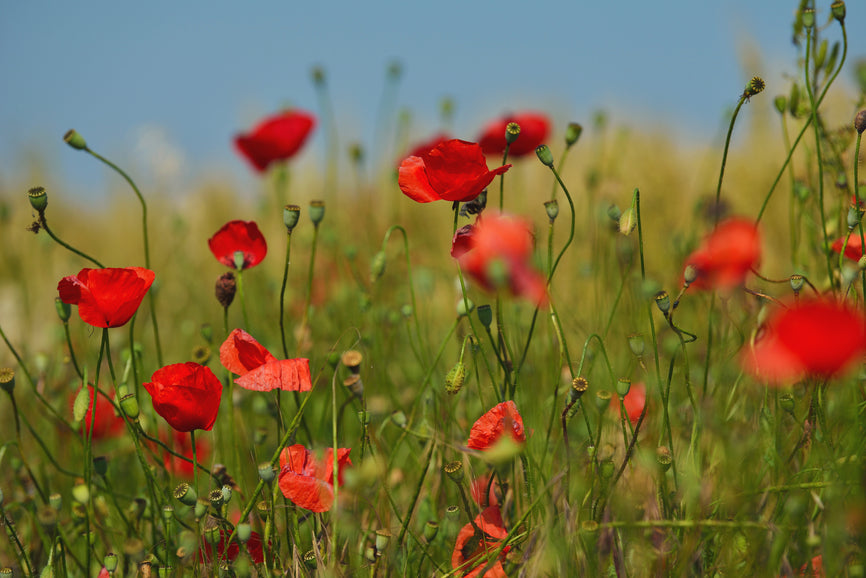
Poppy (Anemone coronaria*) is a national symbol of Palestine, a shining beacon of solidarity and hope. Poppies are extremely resilient and, like courage and love, they bloom in the most difficult of circumstances.
The poppy's ability to bloom in harsh conditions mirrors the enduring spirit of the Palestinian people and their struggle against occupation. The poppy is deeply rooted in Palestinian culture and is seen as a symbol of the enduring relationship with their homeland. For many, the poppy is seen as a reminder of those who have lost their lives in the conflict, representing both loss and sacrifice.
Sowing Advice: For an uprising of exquisite beauty and authenticity, sow onto bare earth that has been subjected to brutal upheaval and displacement. The poppy helps to heal and restore the ecology of the soil.
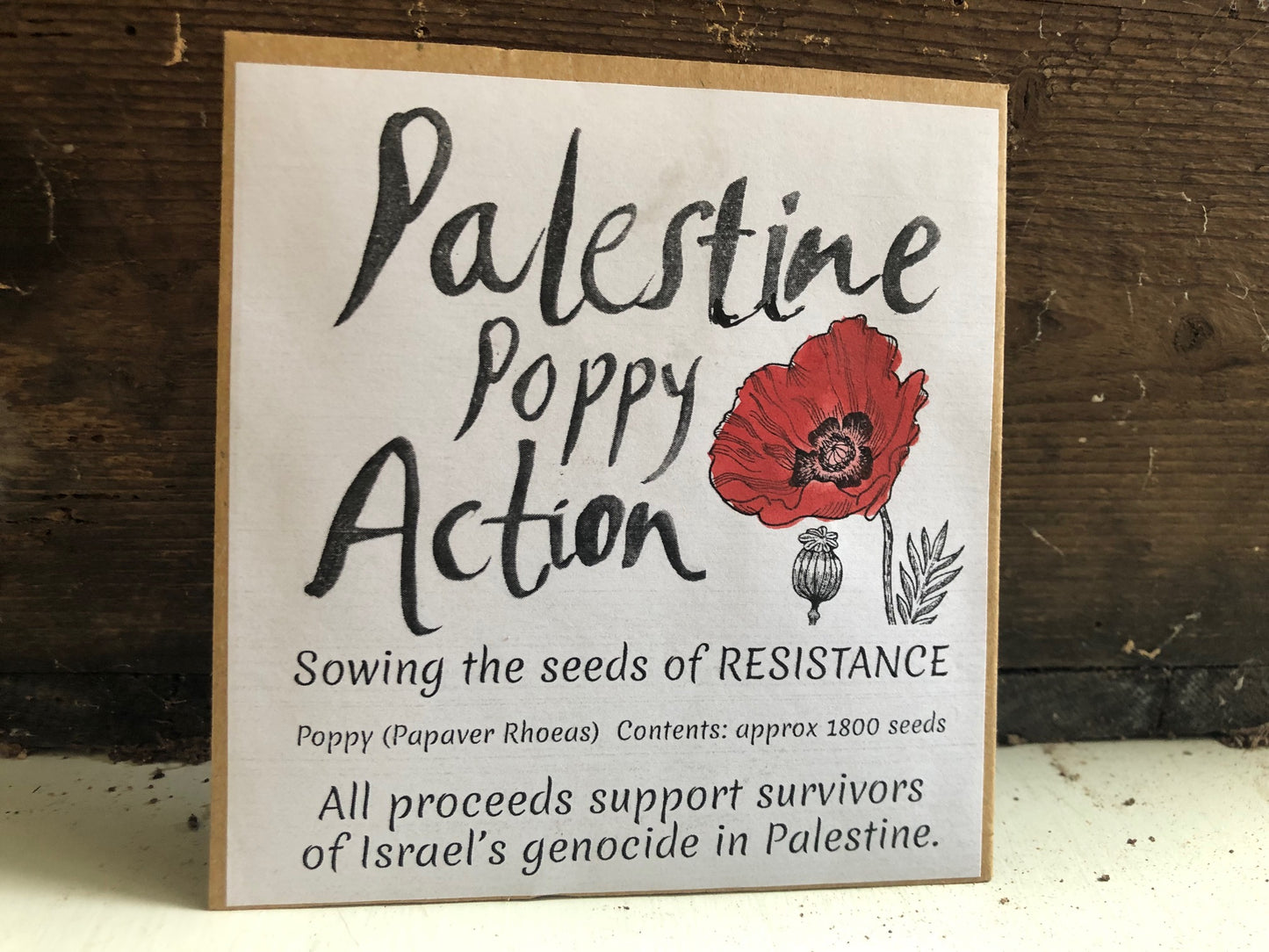
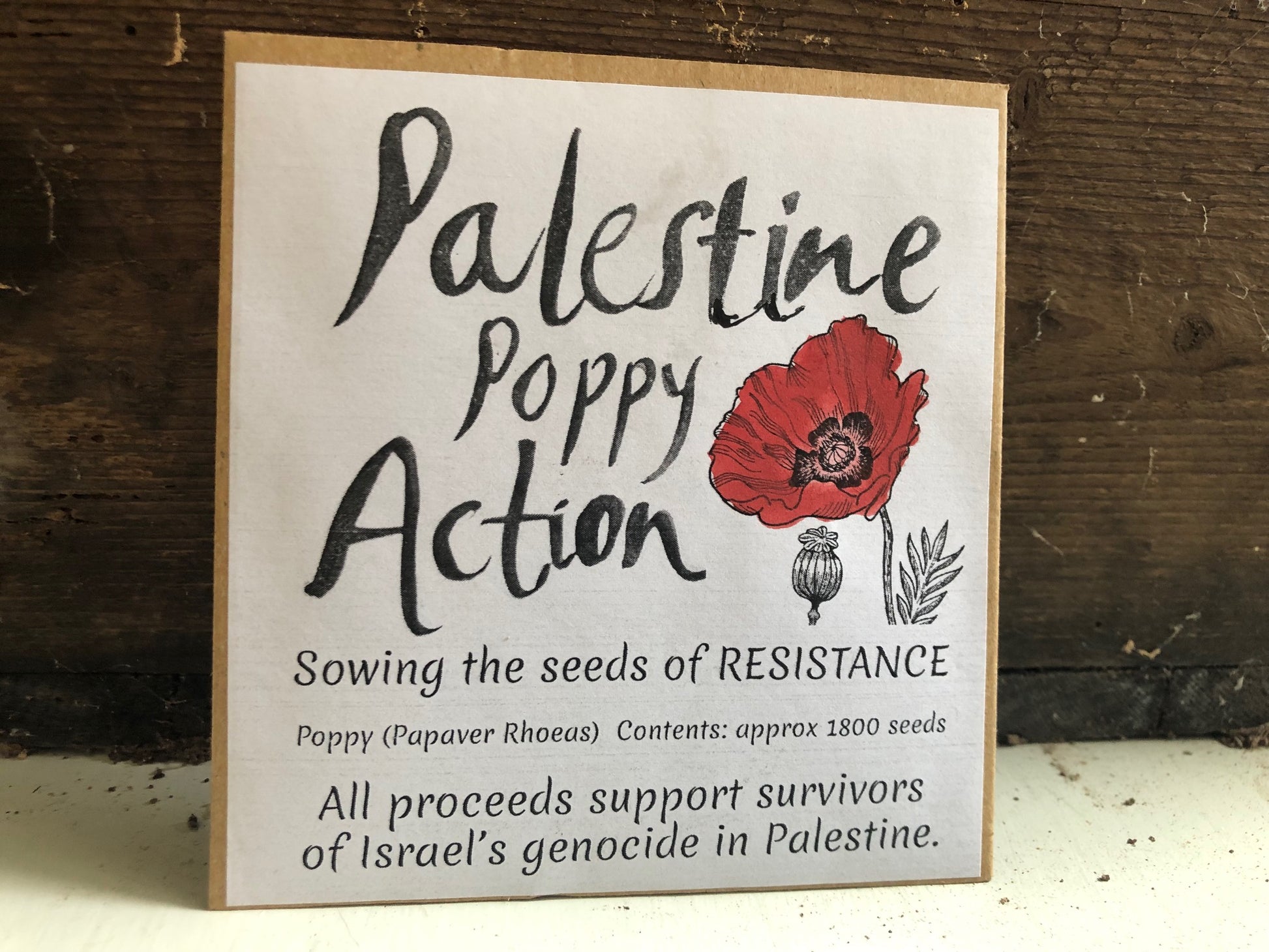
Palestine Poppy Action - Sowing the seeds of RESISTANCE -
All proceeds go to support Palestinian aid charities


* It seems the Faqqua (Iris haynei) was made the official national flower by the Palestinian Authority in 2016, while the Palestinian Poppy (a similar flower to papaver rhoeas) native to the mediterannean coast, is a non-official but more recognisable national symbol of Palestine, akin to the watermelon or keffiyeh
Species: Papaver rhoeas
(Common Poppy, Corn Rose, Field Poppy, Flanders Poppy, Red Poppy)
Contents: Approximately 1,800 seeds
Average height: 50 to 80cm
Aspect: Full sun or partial shade
Soil type: Most soil conditions, chalk, clay, loam or sandy
Sowing period: March to May or Sept/Oct
First signs of blossom: 6 to 8 weeks
Average flowering period: 2 - 3 months
Our packaging is made from FSC recycled cardboard and environmentally friendly inks. The seed bags are waxed paper or compostable starch to keep seeds in the best condition during storage.